
Food Crops: Meaning, Types, Importance and Examples
What is Food Crops
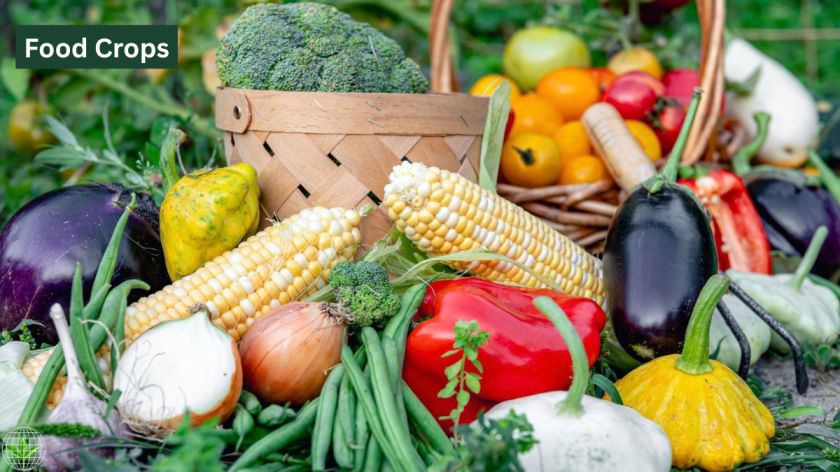
Food crops are crops cultivated specifically for human and animal consumption as well as industrial purposes. These crops are staple foods across the globe and are vital in the food processing industries, where the produce and by-products of these crops are important. Examples of food crops are cereal, legumes, fruit, vegetables, oil seeds, and more.
As the global population continues to rise, the demand for food crops has OutSpace production failing to meet the needs of humans and industries. Several noticeable factors are responsible for this shortfall. Such as incidents of land tenure, poor mechanization, poor staple and processing, pest and disease outbreaks, and climate change. These challenges have drastically reduced the production of these staple foods and resulting in food insecurity.
These food crops are good sources of nutrients and energy for humans and animals, which constitute the basis for human diets worldwide. The cultivation of these food crops has made farming a lucrative venture, providing the most livelihood for many families across the globe. recognizing their significance in providing food security and source income, multinational agro companies have intensified efforts in investing in the cultivation of these staple food crops.
These crops thrive under optimum sunlight, slightly acidic—neutral soil conditions, and well-draining loamy soil. When cultivated under the right environmental and agronomical practices, they yield higher yields. In the industrial food industry, food crops undergo processing, preservation, and storage for future use, ensuring a steady supply for consumption and commercial purposes.
Types of Food Crops
Food crops can be grouped into different categories based on their characteristics, nutritional value, and the parts of the plant that are consumed or processed. The major types include cereals, legumes, root and tuber crops, fruits, vegetables, and oilseed crops.
1. Cereal Crops
Cereal crops are grasses that produce edible grains and are among the most widely cultivated food crops in the world. They are particularly important sources of carbohydrates and energy in human diets.
Common examples include:
- Maize
- Rice
- Wheat
- Sorghum
- Millet
- Oats
- Barley
Cereal grains can be eaten directly or processed into products such as flour, bread, pasta, breakfast cereals, animal feed, and beverages. Maize, rice, and wheat are particularly important staple cereals in many parts of the world.
2. Legume Crops
Legumes are plants that produce seeds inside pods. Their seeds are generally rich in protein, making them important components of both human and animal diets.
Examples of legume crops include:
- Cowpea
- Soybean
- Groundnut
- Common beans
- Peas
- Lentils
- Chickpeas
In addition to providing protein, many legumes contribute to soil fertility through their association with nitrogen-fixing bacteria. This makes crops such as cowpea and soybean valuable components of crop rotation and other sustainable farming systems.
3. Root and Tuber Crops
Root and tuber crops are cultivated mainly for their underground storage organs, which are rich in carbohydrates and provide an important source of energy.
Examples include:
- Cassava
- Yam
- Sweet potato
- Irish potato
- Cocoyam
These crops are especially important in tropical and subtropical regions. Cassava, yam, and sweet potato, for example, are important food crops in many African countries and can be consumed fresh or processed into products such as flour, starch, chips, and other food products.
4. Fruit Crops
Fruit crops produce fruits that are consumed fresh or processed into various food products. They are important sources of vitamins, minerals, dietary fiber, antioxidants, and other beneficial plant compounds.
Examples include:
- Mango
- Orange
- Banana
- Pineapple
- Pawpaw (papaya)
- Watermelon
- Guava
- Avocado
Fruit crops may be eaten fresh or processed into juices, jams, concentrates, dried products, and other food products.
5. Vegetable Crops
Vegetable crops are cultivated for their edible leaves, stems, roots, bulbs, flowers, fruits, or other plant parts. They contribute important vitamins, minerals, fiber, and other nutrients to the diet.
Examples include:
- Tomato
- Okra
- Cabbage
- Carrot
- Spinach
- Lettuce
- Onion
- Pepper
Vegetables can be consumed fresh, cooked, dried, or processed. Their relatively short production cycles also make many vegetable crops important sources of income for smallholder and commercial farmers.
6. Oilseed Crops
Oilseed crops are cultivated mainly for seeds that contain significant amounts of oil. The extracted oils are used for cooking and food processing, while some oilseed by-products are used as livestock feed.
Examples include:
- Groundnut
- Soybean
- Sunflower
- Sesame
- Canola
- Oil palm
Oilseed crops are important both nutritionally and commercially. Their seeds can provide edible oils and other nutrients, while processed products such as oilseed meals can be valuable sources of protein for livestock.
You Check: Top 8 Causes of Food Shortages in Nigeria
Importance of food crops
- Source of Nutrition for humans and animals: food crops such as maize, rice, soybeans, millet, and sorghum serve as a major food for man and animals. These crops provide essential nutrients such as carbohydrates, proteins, fats, vitamins, and minerals needed for the well-being of animal and human health and survival. These food crops provide the vital nutrients required for the replacement of worn-out tissues, growth, reproduction, and development of farm animals.
- Serves as Staple food: food crops serve as the staple food for individuals across the globe. Many people and cultures depend on food crops such as yam, cassava, rice, wheat, maize, and potatoes as their primary food sources.
- Ensure Food Security: the cultivation of these food crops on a large scale ensures food availability which helps to combat hunger and malnutrition. Processing and storage of food crops help to ensure a stable food supply.
- Source of income: the cultivation and sales of food crops serve as a source of economic livelihood for farmers. commercial farmers that farm in large source large amounts of income for food crop utilization
- Improved Livestock Quality: the cultivation of food crops ensures the harvest of High-quality feed from food crops which helps to enhance meat, milk, and egg production, benefiting both farmers and consumers.
- Raw Materials for Processing: food crops such as yam, cassavas, maize, sorghum, fruit beverages, and species such as major raw materials for manufacturing industries. Many agro-based industries such as flour mills, oil processing plants, beverage companies, and the pharmaceutical industry need the raw materials for the manufacturing and processing for produce into semi – and semi-finished goods.
- Biofuel Production: food crops such as cassava, maize, yam, and sugarcane can process in the industries to produce biofuels such as ethanol, which serve as alternative sources of energy in the farm or farmstead.
- Textile and Paper Industry: agricultural crops such as cotton, knit, and other fiber crops can be vital raw sources of material in the textile industries for the manufacturing of cloths. The husk from cereal crops and other nuts crops can significantly contribute to textile and paper production.
- Pharmaceutical Uses: raw materials extracted from farm produce such as cassava, yam, maize and other food crops can serve as raw material in pharmaceutical companies. Food crops such as ginger, garlic, onions, and other contain medicinal properties which are use used in drug manufacturing,. The starch extracted from maize, cassava starch can be used for coating drugs’ in the pharmaceutical companies
Factors That Affect the Production of Food Crops
The productivity of food crops depends on several environmental, biological, and management factors. Understanding these factors helps farmers make better decisions and improve crop yields.
Soil Conditions
Soil fertility, structure, drainage, pH, and organic matter influence crop growth and yield. Different crops have different soil requirements, so farmers should select suitable crops and manage the soil according to their needs.
Climate and Weather
Temperature, rainfall, sunlight, humidity, and the length of the growing season affect the growth and development of food crops. Extreme weather conditions such as drought, flooding, excessive heat, and prolonged rainfall can reduce yields.
Water Availability
Adequate water is essential for crop growth. In areas with unreliable rainfall, irrigation can help farmers maintain crop production, particularly during dry periods.
Pests and Diseases
Insect pests, plant diseases, weeds, and other biological threats can damage crops and significantly reduce yields. Proper crop management and integrated pest management practices can help reduce these losses.
Farming Practices
The choice of planting material, planting date, spacing, fertilizer application, weed management, pest control, harvesting, and post-harvest handling can all affect the quantity and quality of food produced.
Final Thoughts
Food crops are fundamental to agriculture because they provide much of the food, nutrients, and raw materials needed by humans and livestock. Crops such as cereals, legumes, roots and tubers, fruits, vegetables, and oilseeds each contribute differently to food systems and agricultural livelihoods.
Beyond feeding growing populations, food crops support millions of farmers and workers involved in production, processing, transportation, storage, and marketing. They also supply raw materials for industries such as food processing, animal feed, biofuel production, and other forms of agro-processing.
However, producing enough food to meet growing demand requires more than simply increasing the area under cultivation. Farmers also need access to quality planting materials, appropriate technologies, improved farming practices, irrigation where necessary, effective pest and disease management, good storage facilities, and reliable markets.
Sustainable production and better post-harvest management are therefore essential for reducing food losses, improving farmer incomes, and strengthening food security. With the right agricultural practices and supporting infrastructure, food crops can continue to play a major role in feeding populations and supporting economic development.